Product Description
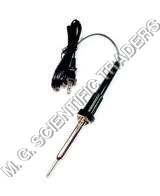
Aided by new developed techniques and high-tech machinery, we are able to manufacture, supply and export Soldering Rod. These products are used for soldering different types of electrical appliances. Known for their high conductivity & strength , corrosion free surface and less power consumption, these products have a high demand in different industries and factories. Packed in special packaging material, Soldering Rod is delivered to the clients in a secure way.
Other details:
Electrical Soldering Soldering Iron 40 W 40 W General purpose soldering iron suitable for electrical work on small to medium wires and cables. BS approved 13 A plug 230
Reliable Melting and JoiningThe soldering rod's controlled melting point between 180C and 220C ensures uniform results during electrical and metal joining tasks. Its smooth surface guarantees even application, making it a preferred choice for professionals across various industries.
Versatile ApplicationEngineered for welding and soldering use, this rod is recommended for standard manual equipment. Its cylindrical shape and lightweight build facilitate precise handling, whether you're a dealer, supplier, or end-user in electrical or metalworking sectors.
Quality and ConvenienceComposed primarily of tin/lead or tin/silver alloys, the rod delivers consistent melting for every use. Storing in cool, dry conditions preserves its integrity, ensuring it's always ready for your next project.
FAQ's of Soldering Rod:
Q: How do I use the soldering rod for electrical and metal joining?
A: The soldering rod is heated to its melting point (180C-220C) using a manual soldering iron, then applied to the joints to create a solid, conductive connection. Its smooth, round shape allows for precise placement and consistent flow during the process.
Q: What benefits does the smooth surface and alloy composition of the rod offer during usage?
A: A smooth surface ensures uniform melting and reduces the chances of uneven solder distribution. Alloys like tin/lead or tin/silver promote strong bonds, high conductivity, and reliable performance in both electrical and metal joining tasks.
Q: When should I replace the soldering rod?
A: Replace the rod when it becomes noticeably shorter or deformed from repeated use, or if the alloy composition has compromised performance. Regular inspection ensures optimal soldering results and consistent quality in your work.
Q: Where should I store the soldering rod to preserve its quality?
A: Store the rod in a cool, dry place away from moisture and extreme temperatures to prevent oxidation, contamination, or deterioration of the soldering material. Proper storage prolongs its shelf life and maintains effective melting characteristics.
Q: What is the standard length and shape of the soldering rod?
A: Soldering rods typically come in lengths between 250mm and 500mm with a round or cylindrical shape, making them convenient for manual soldering in a range of industry applications.
Q: How does the lightweight design of the rod benefit manual soldering?
A: The rod's lightweight nature reduces hand fatigue during prolonged use and allows for greater control and accuracy, which is essential for intricate soldering tasks in electrical and metalworking projects.











 Send Inquiry

 Send Inquiry
 Send SMS