


Call Us
07971549544
Call Us
07971549544

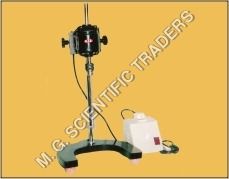
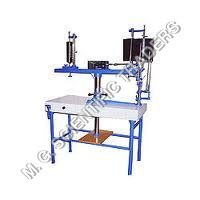
JAR TESTING APPARATUS
Fitted with DC MOTOR But to work on 220 Volts AC with Variable Speed from 20 RPM to 100 RPM approx SECORE Jar Test Apparatus allows efficient and economical flocculation matter and collides in general and also has been specially designed for use in water treatment to correctly estimate the dosing of alum and such other coagulants for treatment of Water sewage and floc formation test in water Treatment plants Heavy duty structural construction for rigidly and vibrationprovide diffused cold light to floc Samples
The gear chain for multiple spindle Drive gives same speed for all the stainless steel stirring paddle approx 1 3 are attached to the rod having 10 long approx with lighting knob at top permit adjustment of paddle height spacing of approx 6 in between rods permits use to 1000 ml glass beaker which rest directly on bench
Cap 1 litre to 2 litre
STIRRING CAPACITY
a FOR TWO STIRRER
b FOR FOUR STIRRER
c FOR SIX STIRRER
SPECIAL ARRANGEMENT
Digital timer RPM counter High Speed Jar Test Apparatus
10200 RPM
Attachment for feeding does to all the stirring unit simultaneously
Accurate and Controlled Testing
With variable speed control and a digital timer the Jar Testing Apparatus offers precise and repeatable conditions for water treatment chemical evaluation Its microprocessorbased control panel and digital RPM display make it effortless to monitor and adjust settings Overload protection and noise level under 60 dB contribute to safe convenient operation in laboratory environments
Robust Laboratory Design
Constructed with an aluminum body and stainless steel rods this apparatus is designed for frequent laboratory use The nonslip base provides stability during operation while the robust build approx 1418 kg ensures longlasting reliability Supported by a digital control system and easy sample comparison features it streamlines the jar test process for water and wastewater analysis
FAQs of JAR TESTING APPARATUS
Q How is the Jar Testing Apparatus used in laboratory settings
A The Jar Testing Apparatus is primarily used to simulate coagulation and flocculation processes for water and wastewater treatment chemicals Laboratory staff place up to 4 or 6 samples in 1000 ml standard jars select desired paddle speed 20150 RPM set the digital timer and observe sample changes under controlled mixing conditions
Q What are the benefits of using the digital programmable timer in this apparatus
A The digital programmable timer enables precise repeatable operation up to 99 minutes Users can automate test duration compare different samples simultaneously and ensure consistent mixing intervals essential for reliable water treatment analysis
Q When should you choose the JT0406 model over other jar testing devices
A The JT0406 is ideal when you require support for 4 or 6 jars precise variable speed control 20150 RPM programmable timing and robust construction Its microprocessor control and userfriendly digital display suit laboratories needing accuracy repeatability and easy operation
Q Where can the Jar Testing Apparatus be purchased in India
A This apparatus is available through multiple channels in India including dealers distributors exporters manufacturers retailers suppliers traders and wholesalers Buyers can consult local scientific equipment suppliers or connect with manufacturers directly for purchase and support
Q What process steps are involved in a typical jar test using this apparatus
A A typical jar test involves filling the beakers with water samples adding treatment chemicals setting the paddle speed and timer starting the mixing process and then visually comparing coagulation results among jars under standardized conditions The digital display enables monitoring RPM and remaining time for optimal experimentation
Q How do the safety features enhance laboratory operation
A Safety features like overload protection prevent equipment damage during extended use while the nonslip base stabilizes the apparatus The low noise level 60 dB allows operators to work comfortably minimizing disruptions in busy lab environments

Price:


|



 Send Inquiry

 Send Inquiry
 Send SMS